Growth is one of the most exciting milestones a business can achieve. Whether a company is expanding its operations, increasing production capacity, or entering new markets, growth signals progress and opportunity. However, growth also comes with new responsibilities. Businesses must adapt their infrastructure, processes, and operational strategies to support their increasing scale.
When companies reach major growth milestones, their needs often change dramatically. What once worked for a small or mid-sized operation may no longer be sufficient for a larger enterprise. Expanding businesses must consider new facilities, improved safety measures, advanced equipment, and enhanced workplace environments. These investments help ensure the organization can operate efficiently while maintaining high standards of quality and reliability.
Strategic investments during this phase often determine whether growth will be sustainable in the long run. Leaders who prioritize infrastructure improvements, operational efficiency, and employee well-being position their companies for continued success. Growth also creates opportunities to strengthen brand identity, celebrate achievements, and build stronger relationships with employees, customers, and partners.
From facility upgrades and manufacturing improvements to workplace safety and corporate culture initiatives, there are many areas where growing businesses choose to invest. The following sections explore some of the most critical investments organizations make when reaching major growth milestones and why these decisions play such a crucial role in long-term success.
Strengthening Infrastructure to Support Expansion
As businesses grow, one of the first areas that often requires attention is physical infrastructure. Expanding operations may mean larger teams, more equipment, increased inventory, and higher customer demand. Without adequate facilities and infrastructure, companies may struggle to maintain productivity and efficiency.
Many organizations choose to expand or renovate their buildings to support this growth. This may involve upgrading warehouses, expanding office space, or building new production facilities. Partnering with experienced commercial construction companies allows businesses to design and build spaces that accommodate their evolving needs.
Construction experts can help businesses create facilities that support improved workflows, efficient storage, and better employee collaboration. A well-designed facility can also support future expansion by including flexible spaces that can be adapted as the company continues to grow.
In addition to structural expansion, businesses often invest in durable materials that support long-term use. Reliable building supplies sourced from a commercial plywood supply provider can be used for a variety of applications, including interior construction, structural reinforcement, and facility upgrades.
These investments in infrastructure provide several key benefits:
-
Improved operational efficiency
-
Better use of available space
-
Increased capacity for inventory or production
-
A safer and more comfortable work environment
Companies that prioritize infrastructure upgrades early in their growth journey often find it easier to scale their operations smoothly.
Enhancing Workplace Safety and Compliance
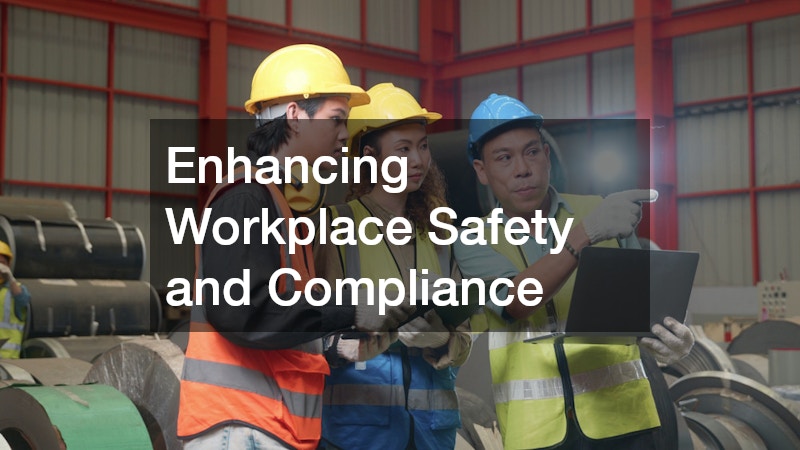
Workplace safety becomes even more important as businesses expand. Larger facilities, more employees, and increased production activity all introduce additional safety considerations. Organizations must ensure their buildings and systems meet local regulations while also protecting their workforce.
One essential safety investment involves installing reliable emergency systems. For example, properly installed commercial fire alarms help protect employees, assets, and facilities by providing early warning in case of emergencies. These systems are particularly important in larger commercial buildings where rapid evacuation may be necessary.
Electrical infrastructure is another critical safety factor. Growing companies often install additional machinery, technology, and lighting systems that place higher demands on their electrical systems. To handle these increased requirements, businesses typically work with a professional commercial electrician to upgrade wiring, install new circuits, and ensure that power distribution remains safe and efficient.
Electrical experts can also assist with:
-
Energy-efficient lighting upgrades
-
Backup power systems
-
Equipment connections for manufacturing operations
-
Compliance with safety regulations
Investing in safety measures demonstrates that a company values its employees and takes its responsibilities seriously. It also helps businesses avoid costly downtime, legal issues, or operational disruptions caused by safety incidents.
Expanding Production and Manufacturing Capabilities
For businesses involved in manufacturing or product development, growth often means increasing production capacity. As demand rises, existing equipment or production lines may no longer be able to keep up. At this stage, businesses must invest in new tools, equipment, and production systems.
One way companies enhance their production capabilities is by working with industrial metal fabricators who can create custom components or equipment tailored to specific manufacturing needs. These professionals specialize in designing and building metal structures, machinery parts, and specialized equipment that improve efficiency and durability.
Custom fabrication allows businesses to optimize their production processes in ways that standard equipment may not allow. For example, fabricated components can support specialized assembly lines, improve product handling systems, or enhance structural support for heavy machinery.
Benefits of investing in manufacturing improvements include:
-
Increased production capacity
-
Greater operational efficiency
-
Improved product quality
-
Reduced production delays
-
Enhanced durability of equipment
These upgrades help businesses maintain consistent output even as demand continues to grow. Over time, improved production capabilities can also reduce operational costs and strengthen competitiveness in the market.
Improving Facility Access and Operational Efficiency
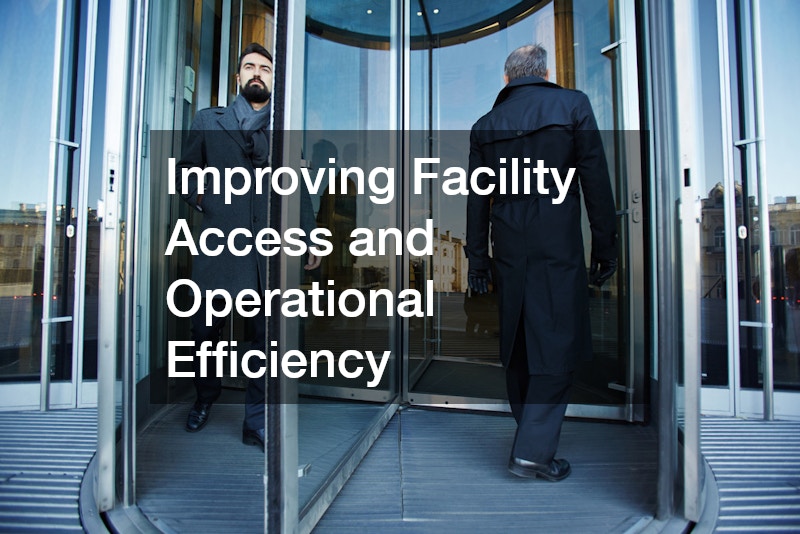
As facilities expand and operations become more complex, accessibility and functionality become critical considerations. Businesses must ensure employees, suppliers, and logistics teams can move efficiently throughout the facility.
Entryways, loading docks, and internal access points all play an important role in operational efficiency. Upgrading these systems often requires working with professionals who specialize in commercial door services. These experts can install durable doors designed for high-traffic commercial environments.
Modern door systems may include:
-
Automated entry systems
-
Reinforced security doors
-
Loading dock doors for shipping and receiving
-
High-speed doors for warehouses and manufacturing spaces
These upgrades help streamline daily operations while also improving building security and energy efficiency. Properly designed access systems also reduce wear and tear on facilities by directing traffic in an organized and efficient manner.
When businesses invest in better facility access, they create environments that support productivity while minimizing operational disruptions.
Supporting Construction, Logistics, and Equipment Needs
Major growth milestones often involve large construction projects or facility upgrades. During these projects, businesses frequently require specialized equipment that they may not use regularly. Purchasing such equipment outright may not always be practical or cost-effective.
For this reason, many companies turn to crane rental providers to support their expansion projects. Cranes are essential for lifting heavy materials, installing large equipment, and completing structural work during construction or facility upgrades.
Renting equipment provides businesses with several advantages:
-
Access to advanced machinery without long-term ownership costs
-
Flexibility to choose equipment suited to specific projects
-
Reduced maintenance responsibilities
-
Improved efficiency for short-term construction needs
Using rental equipment allows businesses to complete major upgrades quickly while maintaining financial flexibility. This approach is particularly helpful for companies that want to focus their resources on core operations rather than equipment ownership.
Maintaining Clean and Professional Work Environments
As companies grow, maintaining a clean and organized workplace becomes increasingly important. Larger facilities, higher employee counts, and more complex operations can make cleaning and maintenance more challenging.
A clean environment not only improves employee morale but also promotes health and productivity. Many organizations choose to partner with professional commercial cleaning services to maintain high standards of cleanliness across their facilities.
Professional cleaning providers offer services such as:
-
Routine office cleaning
-
Floor maintenance and sanitation
-
Industrial cleaning for warehouses or manufacturing spaces
-
Restroom sanitation
-
Waste management and recycling
Regular cleaning helps reduce the spread of illness, minimize workplace hazards, and maintain a professional appearance. For businesses that frequently host clients or partners, a clean facility also reinforces the company’s reputation for professionalism and attention to detail.
Additionally, well-maintained workplaces often contribute to better employee satisfaction and retention.
Investing in Brand Recognition and Corporate Culture

Growth milestones are not only operational achievements—they are also cultural moments within a company’s journey. Celebrating success can strengthen employee engagement and create a stronger sense of unity among teams.
Many businesses commemorate important achievements by presenting corporate anniversary awards to employees, partners, or departments that have contributed to the company’s success. These recognition programs highlight the collective effort required to reach major milestones.
Employee recognition programs may include:
-
Long-service awards
-
Milestone recognition ceremonies
-
Leadership acknowledgments
-
Team performance awards
These initiatives reinforce the value of teamwork and demonstrate that the organization appreciates the dedication of its workforce. When employees feel recognized and valued, they are often more motivated to continue contributing to the company’s success.
Celebrating milestones also allows businesses to reflect on their journey and communicate their vision for the future.
Hosting Major Events to Celebrate Growth and Build Relationships
As companies reach significant milestones, they often choose to celebrate with events that bring together employees, clients, partners, and community members. These events provide an opportunity to share achievements while strengthening relationships with stakeholders.
Events such as grand openings, company anniversaries, or expansion announcements can serve as powerful marketing and relationship-building opportunities. However, hosting large gatherings often requires additional infrastructure and logistical planning.
To accommodate large groups, businesses may work with providers that offer commercial tent rentals. Temporary event structures allow companies to host outdoor gatherings in a professional and comfortable setting.
Event tents can be used for a variety of purposes, including:
-
Corporate celebrations
-
Community outreach events
-
Product launches
-
Employee appreciation gatherings
-
Partner networking events
By hosting memorable events, businesses reinforce their brand identity while strengthening connections with the people who support their success.
Planning for Long-Term Operational Sustainability
While reaching a major growth milestone is exciting, it is also important for businesses to focus on sustainability. Expansion efforts should not only address current needs but also prepare organizations for future challenges and opportunities.
Strategic planning plays a critical role in ensuring that investments support long-term success. Business leaders must consider how new facilities, technologies, and operational systems will perform as the company continues to evolve.
Key factors businesses should evaluate include:
-
Scalability
Infrastructure and operational systems should be designed to support continued expansion without requiring constant replacement or major upgrades. -
Operational Efficiency
Investments should streamline workflows and reduce unnecessary costs. -
Safety and Compliance
Maintaining safe workplaces and meeting regulatory requirements must remain a top priority. -
Employee Experience
Work environments should support productivity, collaboration, and well-being. -
Adaptability
Businesses should remain flexible and prepared to adjust their strategies as markets and technologies evolve.
By focusing on sustainability, companies can transform a single growth milestone into a foundation for continued progress.
Conclusion
Achieving major growth milestones is an exciting moment for any organization. However, sustainable growth requires more than increased revenue or market share. Businesses must invest strategically in infrastructure, safety, production capabilities, and workplace environments to support their expanding operations.
From facility improvements and specialized equipment to workplace maintenance and employee recognition programs, these investments strengthen the foundation of a growing business. Working with experts—from construction professionals and electrical specialists to fabrication partners and cleaning teams—helps companies build systems that support long-term success.
Growth milestones also present an opportunity to celebrate achievements and strengthen relationships with employees, partners, and customers. Recognition programs and milestone events reinforce the values and culture that drive the organization forward.
Ultimately, companies that approach growth thoughtfully are better prepared to navigate future challenges and opportunities. By making smart investments during critical expansion phases, businesses can transform growth milestones into lasting competitive advantages and position themselves for continued success in the years ahead.