Key Takeaways:
- Milestone mapping turns vague business goals into clear, measurable checkpoints across each stage of growth.
- Different growth stages (startup, survival, growth, expansion, maturity) require different priorities and success markers.
- Strong foundations like systems, financial tracking, and workflows are critical before scaling operations.
- Cash flow stability is often more important than revenue in early and survival stages of business growth.
- Growth becomes more sustainable when businesses track KPIs and use data-driven decision-making.
- Expansion should be paced carefully to avoid overextension and operational breakdowns.
- Long-term success depends on adaptability, continuous innovation, and structured milestone planning.
Growing a business can feel a lot like planning a long road trip. You know where you want to end up, but the route can seem uncertain. There are turns you do not expect, roadblocks you cannot predict, and opportunities you might miss if you move too quickly. That is where milestone mapping becomes useful.
Milestone mapping gives businesses a practical way to visualize progress and identify the important checkpoints needed for growth. Instead of focusing only on big-picture goals, it breaks the journey into measurable stages. This creates clarity for business owners, managers, and teams because everyone understands where they are and what comes next.
Many companies struggle because they focus only on immediate tasks while losing sight of long-term development. A roadmap built around milestones provides direction while helping organizations avoid confusion and wasted effort.
Whether you are launching a startup, managing a growing company, or preparing an established business for expansion, understanding milestones can make growth more structured and sustainable.
What Is Milestone Mapping?
Milestone mapping is the process of identifying key objectives and achievements across different stages of business development. These milestones act as markers that indicate progress and signal readiness for the next stage of growth.
Unlike broad goals that can feel distant and abstract, milestones are specific and measurable. They help answer questions such as:
- What should happen before hiring additional employees?
- When is the right time to expand products or services?
- How do you know if your business is ready for larger investments?
- Which indicators show that growth is happening?
Think of milestones as checkpoints on a business roadmap. Reaching one checkpoint means your business has completed an important step and can confidently move forward.
For example, a startup milestone may be securing its first paying customer. A more mature company may identify a milestone such as opening a second location or entering international markets.
Without these markers, businesses often operate without a clear sense of direction.
Why Do Businesses Need a Milestone Roadmap?

Growth without structure can create problems. Companies sometimes expand too quickly, hire too many people, or invest heavily before building a stable foundation.
Milestone mapping creates order by providing a clear path.
Businesses benefit from milestone planning because it helps:
- Create measurable goals
- Improve team alignment
- Increase accountability
- Reduce uncertainty
- Support decision-making
- Track progress more effectively
- Identify risks early
- Prioritize resources
A roadmap also prevents business owners from chasing every opportunity that appears. Not every opportunity aligns with the current growth stage. The right roadmap keeps attention focused on what matters most right now.
Understanding the Different Stages of Business Growth
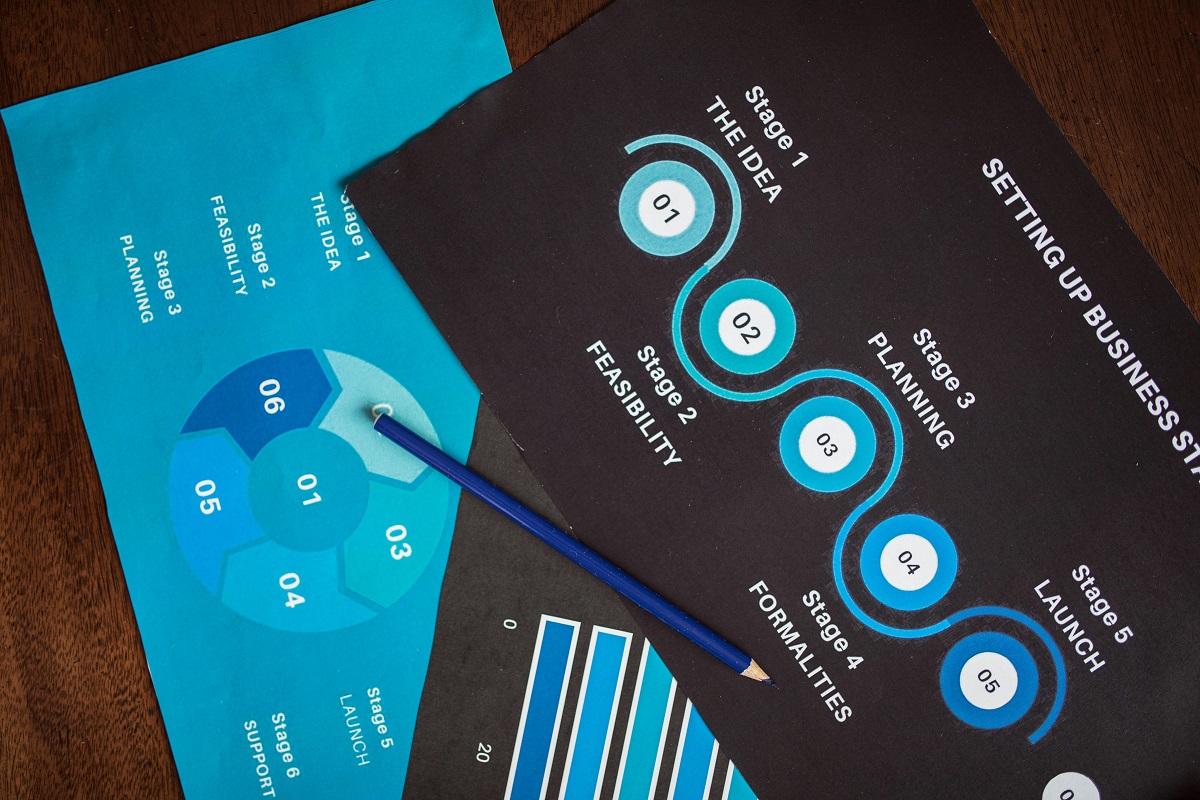
Businesses rarely grow in a perfectly straight line. Most organizations move through predictable development stages that come with unique priorities and challenges. Understanding these stages helps companies identify the right milestones at the right time.
The major stages generally include:
- Startup stage
- Survival stage
- Growth stage
- Expansion stage
- Maturity stage
Each stage requires a different approach and different performance indicators.
Stage One: Startup and Business Foundation
The startup stage is where ideas become reality. During this phase, business owners are focused on creating a foundation strong enough to support future growth. The primary goal here is proving that the business concept works.
Key milestones at this stage include:
- Completing market research
- Defining target customers
- Developing products or services
- Building a business plan
- Launching a website
- Acquiring first customers
- Generating initial revenue
Many businesses make the mistake of assuming growth begins after launching a company. In reality, growth begins with validation. If customers are not buying or engaging, expansion plans become meaningless.
What Questions Should Businesses Ask During Startup?
Business owners should regularly evaluate important questions:
- Does the market actually need this product?
- Who are the ideal customers?
- What problems are being solved?
- How are customers responding?
- What feedback patterns are appearing?
The answers create valuable information that shapes future milestones.
Building Systems Early Matters More Than People Think
New businesses often focus heavily on sales while neglecting systems and processes. This creates problems later.
As customer demand increases, operational weaknesses become more noticeable. Businesses that establish systems early often transition more smoothly into later stages.
Examples of foundational systems include:
- Financial tracking
- Customer relationship management
- Workflow procedures
- Communication processes
- Documentation systems
Building these elements early saves time and reduces confusion later.
Stage Two: The Survival Phase
After the initial excitement of launching a business, many companies enter a challenging period called the survival phase.
At this stage, businesses are trying to prove sustainability.
The question changes from “Can we launch?” to “Can we survive?”
Common milestones include:
- Achieving consistent monthly revenue
- Retaining customers
- Reaching positive cash flow
- Improving operational efficiency
- Building repeat business
This stage can feel frustrating because progress may appear slow. Revenue increases might not happen dramatically. Instead, growth often happens through small improvements over time.
Why Cash Flow Becomes a Critical Milestone
Many profitable businesses still fail because of cash flow issues. Revenue and cash flow are not identical. A company may generate sales while still struggling to cover expenses due to delayed payments or poor financial management.
Important financial milestones include:
- Maintaining emergency reserves
- Reducing unnecessary expenses
- Improving payment collection cycles
- Creating predictable revenue streams
Financial stability creates breathing room for future growth decisions.
Stage Three: Entering the Growth Stage
The growth stage is where businesses begin building momentum. Customer acquisition becomes more consistent, operations become more organized, and opportunities start appearing more frequently. This phase often feels exciting because visible progress becomes easier to measure.
Typical growth milestones include:
- Increasing monthly revenue targets
- Expanding product offerings
- Hiring key employees
- Improving brand visibility
- Strengthening customer retention
- Developing strategic partnerships
During this stage, many leaders begin making larger decisions regarding infrastructure and expansion. This is also the point where businesses may begin exploring strategic growth investments that support future opportunities without compromising operational stability. The key is making decisions based on long-term value rather than temporary excitement.
How Can Teams Stay Aligned During Rapid Growth?
Growth introduces complexity. Small teams that once communicated informally may suddenly struggle with coordination. Misalignment can lead to confusion, duplicated work, and inconsistent customer experiences.
To maintain alignment:
- Establish regular meetings
- Create clear roles
- Define measurable objectives
- Document processes
- Monitor performance metrics
Communication becomes increasingly important as organizations expand.
The Importance of Tracking Key Performance Indicators
Milestones work best when connected to measurable data. Key performance indicators help businesses understand whether progress is actually occurring.
Useful indicators may include:
- Revenue growth rate
- Customer acquisition cost
- Customer lifetime value
- Retention rate
- Conversion rate
- Employee productivity
- Profit margins
Data removes guesswork. Instead of relying on assumptions, businesses can make informed decisions supported by evidence.
Stage Four: Expansion and Scaling
Expansion represents a significant shift. At this point, businesses move beyond maintaining growth and begin multiplying opportunities.
Scaling often includes:
- Opening additional locations
- Entering new markets
- Introducing new products
- Building larger teams
- Expanding technology systems
Growth and scaling are not identical concepts. Growth usually requires proportional increases in resources. Scaling aims to increase results without matching increases in costs. Understanding this distinction helps businesses create smarter roadmaps.
What Mistakes Commonly Happen During Expansion?
Expansion can create excitement, but it also creates risk. Some businesses move too aggressively without considering operational readiness.
Common mistakes include:
- Hiring too quickly
- Entering too many markets at once
- Ignoring customer feedback
- Overextending budgets
- Losing focus on core products
Rapid expansion without proper planning can create instability. Milestone mapping prevents organizations from jumping ahead before necessary foundations exist.
Preparing Leadership for Larger Operations
As businesses become larger, leadership responsibilities evolve. Founders who once handled everything personally may need to shift toward strategic thinking and delegation.
Leadership milestones often include:
- Building management teams
- Delegating responsibilities
- Improving decision structures
- Creating organizational culture
- Developing succession planning
Strong leadership becomes increasingly important as complexity grows.
Stage Five: Maturity and Long-Term Sustainability

Reaching maturity does not mean growth ends. Instead, priorities change. Established businesses often focus on maintaining market position while continuing to innovate.
Milestones during this phase may include:
- Improving customer loyalty
- Increasing operational efficiency
- Strengthening brand authority
- Expanding market influence
- Diversifying revenue sources
Long-term sustainability depends on adaptability. Markets change constantly, and businesses that become too comfortable may lose relevance.
Why Innovation Should Never Stop
One of the biggest risks for mature companies is complacency. Success can create false confidence. Businesses that stop adapting often struggle when competitors introduce new ideas or changing customer expectations shift the market. Innovation does not always require dramatic changes. Small improvements can create meaningful results.
Examples include:
- Improving customer experiences
- Updating technology systems
- Refining products
- Exploring new services
- Testing emerging trends
Continuous improvement protects long-term growth.
Creating a Practical Milestone Map
Knowing the stages is useful, but turning them into action matters more. Building a milestone roadmap requires structure. A practical process often includes the following steps:
Identify Your Long-Term Objective
Start by defining the destination.
Examples include:
- Reaching annual revenue targets
- Expanding geographically
- Launching additional products
- Increasing market share
A clear destination creates focus.
Break Large Goals Into Smaller Milestones
Large objectives become manageable when divided into smaller achievements.
Instead of saying:
“Grow revenue significantly.”
Create specific checkpoints such as:
- Gain fifty new customers
- Improve retention by ten percent
- Increase website traffic
- Expand referral programs
Smaller milestones feel more achievable.
Assign Ownership
Milestones without ownership often lose momentum.
Assign responsibilities to individuals or teams.
This increases accountability and improves execution.
Establish Timelines
Deadlines create urgency.
Without timelines, milestones can remain unfinished indefinitely.
Timelines should be realistic while still encouraging action.
Review and Adjust Regularly
Business environments change constantly.
Roadmaps should evolve as conditions change.
Regular reviews help identify necessary adjustments.
How Technology Supports Milestone Tracking
Technology has transformed the way businesses monitor progress. Modern tools simplify tracking and improve visibility across teams.
Popular systems often include:
- Project management software
- Customer relationship platforms
- Financial dashboards
- Analytics tools
- Team collaboration platforms
These systems help businesses centralize information and identify trends. Real-time visibility reduces delays and improves decision-making.
The Human Side of Growth Planning
Numbers matter, but people matter just as much. Employees, leaders, and customers influence whether milestones are achieved. Organizations that prioritize people often experience stronger long-term outcomes.
Important areas to consider include:
- Employee engagement
- Team culture
- Communication quality
- Leadership development
- Customer relationships
People drive execution. A roadmap becomes much more effective when employees understand how their work contributes to larger objectives.
Recognizing Milestones Helps Build Momentum
Businesses sometimes focus so heavily on future goals that they forget to acknowledge progress already made. Recognition matters.
Celebrating completed milestones helps:
- Increase motivation
- Strengthen team morale
- Reinforce positive behavior
- Improve engagement
- Create a sense of achievement
Even small wins deserve attention. Progress often happens gradually, and recognizing movement can sustain momentum.
Why Flexibility Is Part of Effective Planning
Business plans are rarely perfect.
Unexpected changes happen constantly.
Economic conditions shift, customer behavior changes, and new competitors emerge.
Effective milestone maps create structure without becoming rigid.
Flexibility allows businesses to adapt while maintaining direction.
A roadmap should guide decisions rather than limit them.
Businesses focused on adaptability often have an easier time responding to uncertainty.
At certain stages, flexibility becomes especially important when companies are focused on leveling up your business while balancing growth opportunities with practical limitations. Adaptability keeps growth sustainable.
Final Thoughts
Milestone mapping gives businesses a clearer path toward growth by transforming large ambitions into practical steps. Rather than operating without direction, organizations gain a structured framework that helps guide decisions across every stage of development.
From startup foundations and survival challenges to expansion and long-term sustainability, each stage presents unique opportunities and responsibilities. Identifying meaningful milestones helps businesses prioritize actions, measure progress, and avoid unnecessary risks.
Growth rarely happens overnight. It is built through consistent effort, thoughtful planning, and the ability to recognize when the next step is truly ready. Businesses that map their journey carefully often gain more than growth alone—they gain clarity, confidence, and a stronger foundation for the future.